
How Text Analysis Mapped out a Hidden Social Network of Disease Fighters in Guangzhou Before WWII
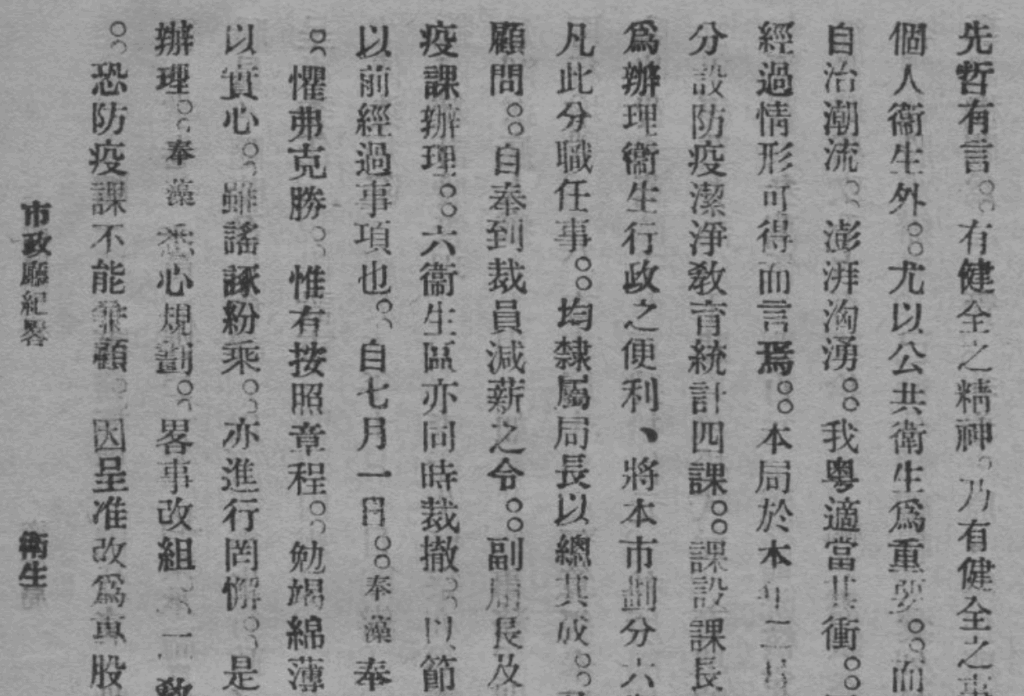
What happens when you feed a quarter-million Chinese characters from 14 historical databases into modern AI algorithms? This audacious study unleashed natural language processing on 3,514 yellowing documents to reconstruct how a city learned to fight disease between 1912 and 1949. The algorithms revealed surprising patterns: cholera, not the more infamous plague, was actually the biggest killer, accounting for nearly 22% of all epidemic deaths. The text analysis shows how preventive measures gradually overtook reactive source control, and how the Health Bureau emerged as the critical coordinator in Guangzhou’s fight against disease. Most intriguingly, the word frequency patterns exposed four distinct evolutionary stages of public health response, including a mysterious “stagnation period” during Japanese occupation where epidemic documentation nearly vanished. By teaching machines to read historical Chinese texts, this research transforms dusty archives into big data, proving that the digital humanities can resurrect lost public health lessons from a century ago.
Quan, S. (2022). Historical Evolution of Anti-epidemic Measures in Republican Guangzhou: A Textual Analysis Based on Historical Resources. In Shelley, M., Akerson, V. & Sahin, I. (Eds.), Proceedings of International Conference on Social and Education Sciences 2022 (pp. 251-281). ISTES Organization.
When Mao Said “Women Hold Up Half the Sky”, Male Nurses Mysteriously Vanished
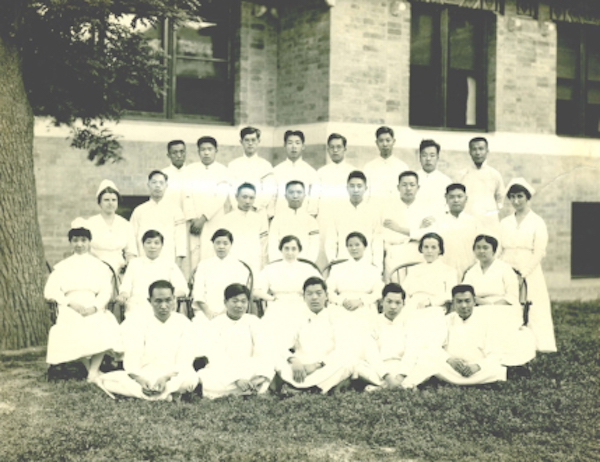
In 1949, nearly 30% of Beijing’s nurses were men. By 1969, that number had crashed to just 2%. This groundbreaking study uses digital humanities methods to excavate what happened to China’s male nurses during the Cultural Revolution: a story buried in 75,000 characters of interview transcripts and 783 archival documents that nobody wanted to discuss. By teaching algorithms to read historical Chinese texts and conducting clandestine interviews with three surviving male nurses (now in their 70s and 80s), this research uncovers a paradox: while Mao proclaimed gender equality, male nurses faced political persecution for being “insufficiently masculine”. Using Bem Sex Role Inventory analysis on the survivors, the research discovers these men exhibited “psychological androgyny”, which made them excellent nurses but political targets.
Quan, S. (2023). Study on the Group of Male Nursing Staff in Beijing during the Early Period of the People’s Republic of China [Undergraduate thesis]. Peking University.
When NLP Tools Cracked the Cold War’s Mind Games: How China and Britain Weaponised the Word “Fascist” in 1978
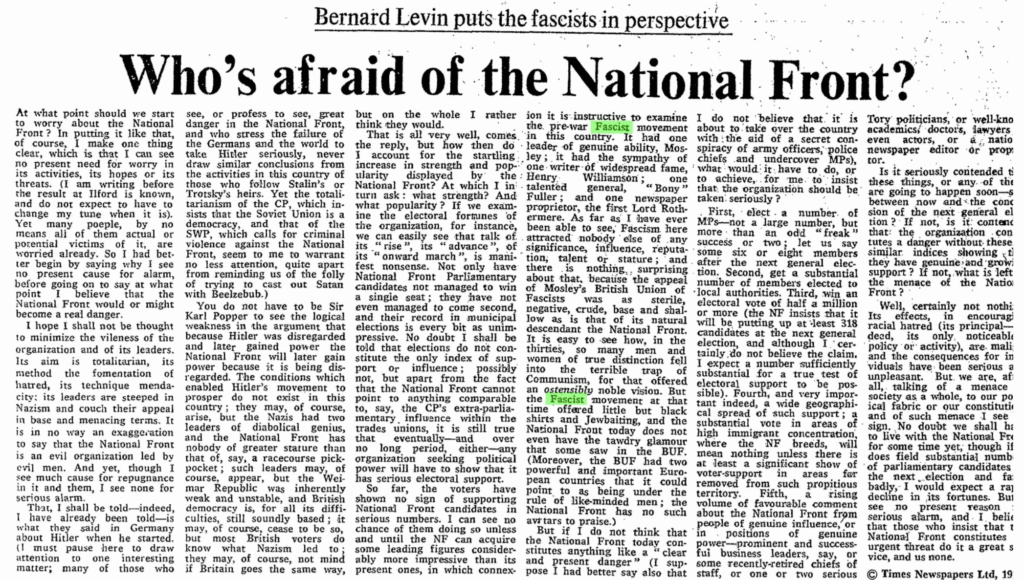
This groundbreaking study combines bibliometric analysis with critical discourse analysis to decode 563 articles from People’s Daily and The Times, revealing how two ideologically opposed nations turned historical memory into propaganda ammunition. Using Fairclough’s three-dimensional analysis model, natural language processing tools like NLPIR and Sketch Engine revealed how newspapers became psychological warfare laboratories. The algorithms exposed a stunning pattern: while British journalists used “fascist” 173 times to warn about creeping authoritarianism at home, Chinese editors deployed it 390 times as a diplomatic sledgehammer against anyone who dared cross Beijing, from the “Gang of Four” to Vietnam to the Soviet Union. The most chilling discovery? Neither newspaper was actually talking about fascists. Instead, they had transformed Mussolini’s ideology into a linguistic virus that could infect any political opponent.
Quan, S. (2023). A Comparative Study of the Construction of “Fascist” Discourse in the Chinese and British Mainstream Media in 1978: A Critical Discourse Analysis with the People’s Daily and The Times as Examples [Undergraduate thesis]. Peking University.